Ella guide
Ella, practically
The unglamorous half of the guide. Cash, data, weather, leeches, and how a fare gets agreed in a town where nothing has a meter.
Money
Ella runs mostly on cash. Some places take a card and plenty do not, and the ones that do not are frequently the ones you want. There are bank machines on the main street through town.
Take out what you need while you are in the middle of town rather than discovering the problem uphill in the evening. And keep small notes: nobody negotiating a two-hundred-rupee tuk-tuk ride has change for a five-thousand-rupee note, and the absence of change is a negotiating position.
Phone and data
A tourist SIM bought at the airport on arrival is the ordinary move and by far the easiest. The networks you will see are Dialog, Mobitel, Hutch and Airtel.
In the town, data is fine. In the valleys and on the trails it comes and goes, and on parts of the Ella Rock walk it is simply absent. Download your maps in the town, before you start walking. That one habit prevents most of the trouble described on the walks page.
Weather, by month
This is a pattern, not a forecast, and Ella makes a liar of anyone who is too confident about it.
- January – March
- The best of it. Clear skies, warm days, cool nights, and the least rain of the year. Also the busiest.
- April – May
- The southwest monsoon arrives. Increasingly wet, still good walking in the mornings.
- June – July
- The wettest part of the year, and the cheapest time to be here. The ridge spends a lot of it inside a cloud. Leeches on the trails.
- August – September
- Wet, thinning out. Mornings usable.
- October – December
- Drying out and filling up again.
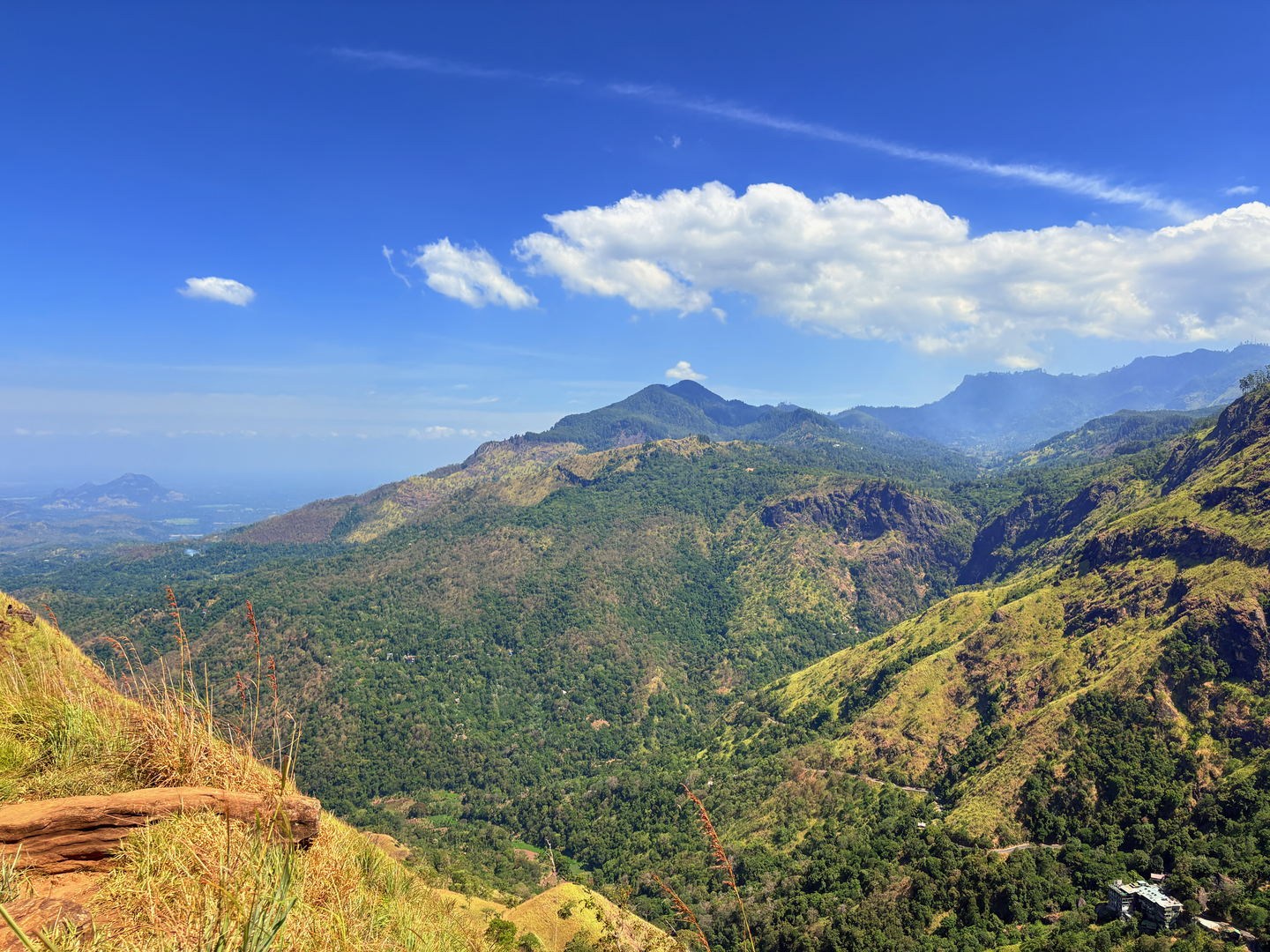
The thing worth knowing, which almost nobody writes down: rain in Ella tends to arrive in the afternoon. So even in the wet months the mornings are usually walkable, which is why every plan on this site starts before seven. You lose the afternoon rather than the day.
What you actually lose in June and July is the view rather than the walk. Mist moves through the gap all day and the ridge appears and disappears. Some people prefer it that way. Nobody gets the photograph.
Leeches
Real, common on the wet-season trails, and under-reported to the point of being a small scandal. Between roughly May and September, expect them on the Ella Rock route and on any path through long wet grass.
Long trousers, tucked into thick socks, and shoes rather than sandals. That is the standard advice and it is mostly effective. It is not always effective, and the honest version is that people who followed it have still come back with one. They are unpleasant and they are not dangerous. Check your ankles at the top, not at the bottom.
Tuk-tuks, and how the fare works
No meters. The fare is agreed before you get in, and this is not an adversarial thing — it is simply how it works, and a driver who names a price is not trying to insult you.
The mechanism, which does not change:
- Agree the number before you sit down. Once you are moving you have lost.
- Name a figure yourself rather than asking for one. Ask “how much” and you get the tourist opening. Say “I’ll pay X” and you get a conversation.
- Agree it for the whole ride, not per person. Say “for both of us” out loud.
- Ask about waiting. If you want the driver to wait at a waterfall and bring you back, that is a different price and it needs saying at the start.
- Ask somebody local what a ride is worth before your first one. That is the entire purpose of the next paragraph.
We are not printing fares on this page, and it is not coyness. Rates move, they differ by route and by hour, and a stale figure in print is exactly what loses a traveller a negotiation — quoting last year’s number to a driver’s face is a bad opening. Ask us the week you arrive and we will tell you what we would pay for the ride you are asking about.
What things cost at the gate
Same policy, same reason. Entrance charges around Ella change, and some of what gets collected is not the same from one month to the next. A wrong figure printed here turns into an argument at a gate with somebody who is not wrong.
So: ask us the week you travel and we will tell you what people are currently paying for the things you are planning. It is a thirty-second answer and it is more use than a table on a website that nobody has checked since 2024.
The shape of a day here
- Before 09:00
- The good hours. Cool, soft light, the paths nearly empty. Everything in this guide happens now.
- 09:00 – 16:00
- Hot, bright, and busy at every viewpoint. Do indoor things and horizontal things.
- After 16:00
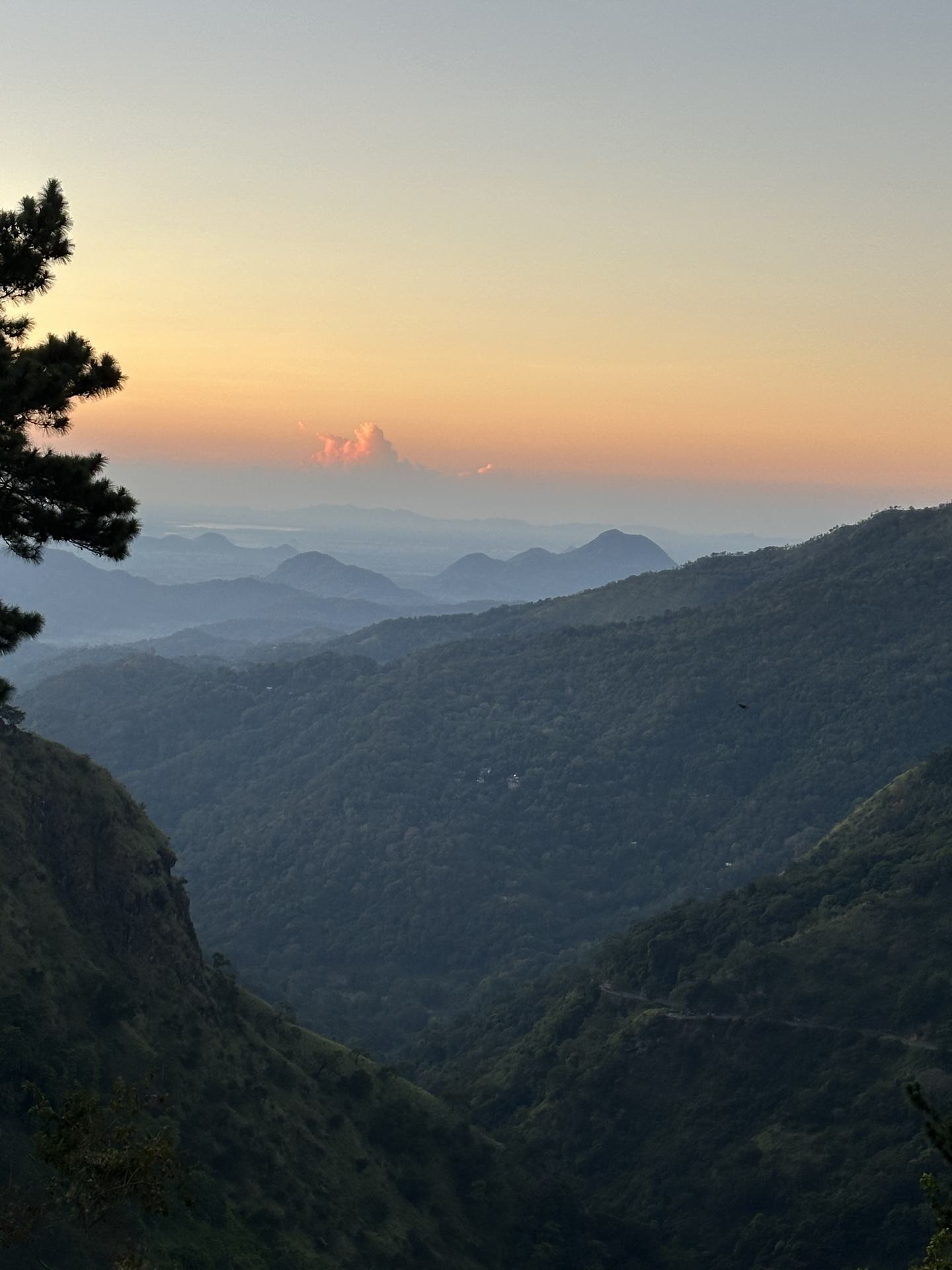
- It cools, the crowds thin, and the light comes back for about an hour.
- After 18:30
- Dark. It happens fast and there is no dusk to speak of.
Ella’s evenings are quiet and early. This is a town where a large share of the population is getting up at half past five to climb something, and it behaves like one. If you came for nightlife you came to the wrong hill.
What to bring, specifically for here
- Shoes with grip. Not sandals. Wet rock and wet clay are the two surfaces here.
- A torch, or a phone you have not flattened. Ella is a hill town, and the lanes off the main street are not lit the way a city is. This is true of every hillside in Ella, wherever you end up staying.
- Long trousers and thick socks, if you are here between about May and September. See leeches, above.
- Cash, in small notes.
- Your maps, downloaded, before you leave the town.
- A bottle you can refill. If you are staying with us the filtered water is free and it is there all day, which is a real saving over a fortnight and a great many fewer plastic bottles.
Getting out again
Whatever you are leaving on, ask somebody the day before rather than the morning of. That applies to everything here, and it applies more to the railway than to anything else.
Last updated: 5 August 2026. Nothing on this page is a timetable, so it should not need updating often. Anything that changes week to week, we answer by message.